
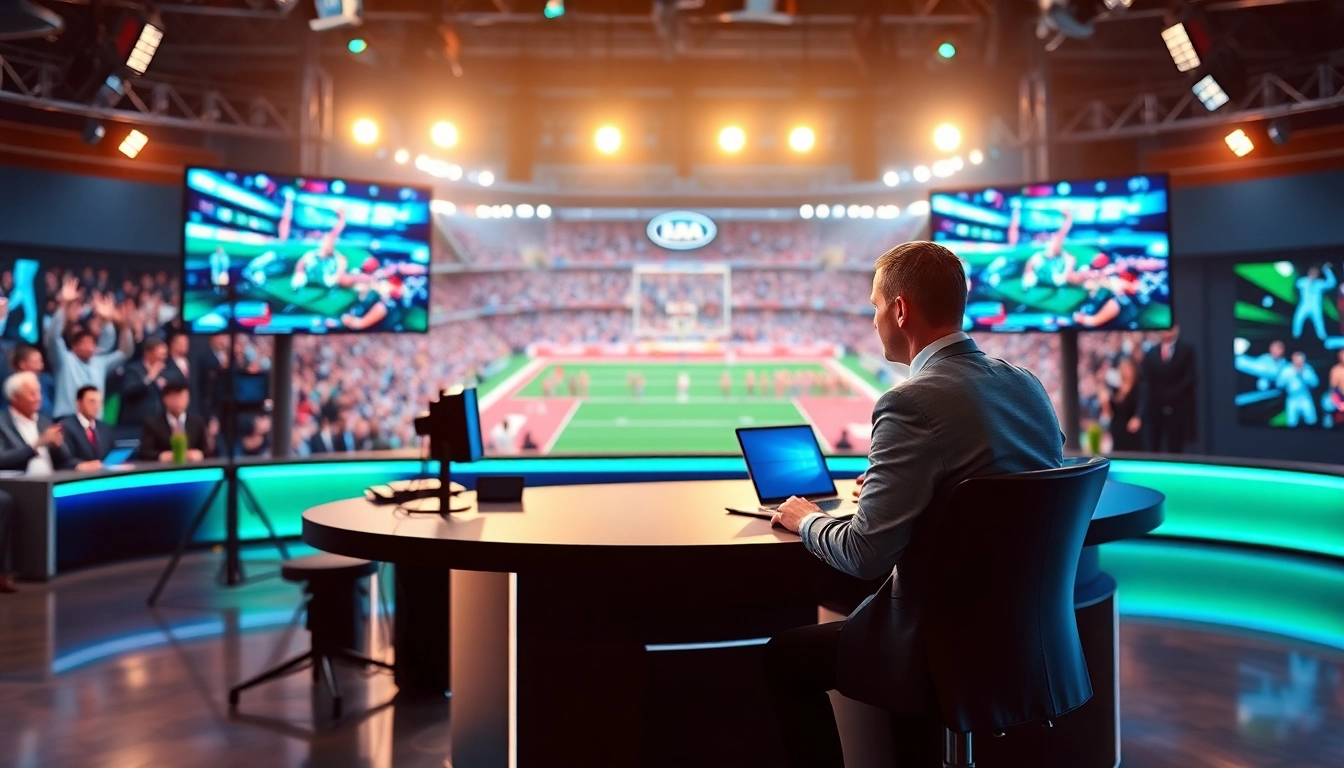
Understanding Sports Broadcasting Dynamics
Definition and Importance of Sports Broadcasting
Sports broadcasting refers to the transmission of sports-related content through various media channels, including television, radio, and online streaming platforms. It serves a critical role in connecting fans with their favorite teams and athletes, providing live coverage, commentary, and analysis that enhance the viewing experience. As a key component of the sports ecosystem, Sports Broadcasting helps in generating substantial revenue through advertisements, sponsorships, and ticket sales, making it pivotal for the growth of sports industries worldwide.
Key Players in the Sports Broadcasting Industry
The sports broadcasting industry is a complex network involving numerous stakeholders. Major players include:
- Broadcast Networks: Major TV networks like ESPN, NBC, and CBS dominate the sports broadcasting landscape by securing exclusive rights to air significant sporting events.
- Streaming Services: Platforms such as Amazon Prime Video, Hulu, and specialized sports streaming services are changing traditional broadcasting dynamics by offering on-demand access and unique viewing experiences.
- Sports Organizations: Leagues and federations, such as the NFL and FIFA, play a vital role in negotiating broadcast rights and ensuring that fans can access live games and events.
- Advertisers and Sponsors: Organizations often partner with broadcasters to reach targeted audiences through commercials and branding during broadcasts, significantly contributing to revenue.
- Content Creators and Commentators: Talented individuals who bring storytelling, analysis, and engaging commentary to broadcasts, enhancing the viewer experience.
Historical Evolution of Sports Broadcasting
The journey of sports broadcasting began in the early 20th century with radio transmissions, allowing fans to tune into live sports events for the first time. The advent of television in the 1950s revolutionized the industry, providing a visual dimension that drew massive audiences. In recent years, the digital revolution has transformed sports broadcasting, with social media platforms and streaming services disrupting traditional models. The rise of mobile technology and high-speed internet connectivity has made it possible for fans to access content anytime and anywhere, fundamentally altering how sports content is consumed.
Essential Skills for Sports Broadcasting Professionals
Communication Skills in Sports Broadcasting
Effective communication is paramount in sports broadcasting, where delivering timely, clear, and engaging content can significantly impact the audience's experience. Broadcasters must develop a range of communication skills, including:
- Verbal Communication: Crafting articulate and dynamic commentary or analysis is essential, allowing broadcasters to inform and entertain.
- Non-Verbal Communication: Awareness of body language and vocal tone enhances delivery and connection with the audience.
- Interviewing Skills: Conducting interviews with players, coaches, and other stakeholders requires tact, empathy, and structured questioning.
Technical Proficiency in Broadcasting Equipment
Familiarity with broadcasting equipment is crucial for professionals in the field. This includes:
- Cameras and Production Equipment: Understanding various camera types, lighting setups, and audio equipment is essential.
- Broadcasting Software: Proficiency in editing software, live streaming tools, and graphics programs can enhance production quality.
- Live Streaming Platforms: Navigating platforms like OBS and Wirecast enables broadcasters to deliver interactive live streams efficiently.
Creative Storytelling Techniques
The ability to tell compelling stories around sports events elevates the broadcasting experience. Creative storytelling techniques include:
- Narrative Development: Crafting engaging narratives that resonate with the audience's emotions can create a deeper connection to the event.
- Visual Storytelling: Employing visuals to complement storytelling through highlights, infographics, and live feeds enhances content interpretation.
- Audience Engagement: Utilizing social media integration can foster audience interaction, enabling fans to share their opinions and experiences.
Key Formats in Sports Broadcasting
Live Coverage vs. Recorded Broadcasts
There are two primary formats in sports broadcasting: live coverage and recorded broadcasts. Live coverage allows audiences to experience events in real-time, contributing to the thrill and excitement of sports. This format is essential during significant events like championship games, where instant reactions are critical. In contrast, recorded broadcasts offer flexibility, allowing highlights, analyses, and recaps to be available on-demand, catering to audiences who may have missed the live event.
Segment Types and Their Audience Engagement
Various segment types play crucial roles in engaging audiences. These include:
- Pre-Game Analysis: Offering insights, predictions, and expert opinions before a match can heighten audience anticipation.
- Post-Game Recaps: Summarizing key moments, statistics, and performances allows for reflection and deeper analysis.
- Feature Stories: Highlighting player background, lifestyle, and challenges provides human interest, enhancing viewer connection.
Innovative Uses of Multimedia
Incorporating multimedia elements is crucial in modern sports broadcasting. Innovations include:
- Graphics and Statistics: Real-time statistical insights, player profiles, and key performance indicators visually inform viewers during broadcasts.
- Social Media Integrations: Displaying live social media feeds allows broadcasters to capture audience reactions and sentiments in real-time.
- Augmented Reality (AR): Enhanced visual engagement through interactive graphics can provide a richer viewing experience.
Challenges in the Sports Broadcasting Landscape
Handling Live Broadcast Crisis Situations
Live broadcasting is not without its challenges. Unexpected events, technical failures, or crises during live coverage demand quick responses. Broadcasters must be prepared with contingency plans, enabling them to communicate effectively, maintain composure, and perhaps pivot to alternative content while troubleshooting issues.
Adapting to Rapid Technology Changes
The broadcasting industry is constantly evolving, driven by technological advancements. Professionals must stay abreast of emerging trends, such as 5G technology and AI in content creation, to remain competitive. Continuous professional development and training in new tools and platforms are essential for adapting to these changes.
Understanding Regulatory Issues
Broadcasting regulations vary significantly across regions and networks. Knowledge of licensing requirements, copyright laws, and compliance with industry standards is imperative. Staying updated on changes helps organizations avoid legal pitfalls and ensure that broadcasts meet regulatory expectations.
Future Trends in Sports Broadcasting
The Impact of Streaming Services
Streaming services are reshaping the sports broadcasting landscape by providing viewers with flexibility and personalization options. As more sports leagues partner with these platforms for exclusive content, traditional broadcasters are forced to adapt by enhancing their own offerings and exploring hybrid models that combine live and on-demand content.
Augmented and Virtual Reality in Broadcasting
AR and VR technologies have the potential to transform how fans engage with sports broadcasts. These technologies can create immersive viewing experiences, allowing fans to feel as if they are part of the action, thus driving deeper emotional connections. Developing content that leverages AR and VR is essential for broadcasters looking to stand out in a crowded market.
Engagement Strategies for New Audiences
As demographics shift, broadcasters must evolve their strategies to attract and engage younger audiences. Utilizing social media, interactive content, and grassroots community initiatives can enhance viewer loyalty and attract a diverse audience. Tailoring content to suit different platforms, such as TikTok or Instagram, ensures that it resonates with younger generations.
Frequently Asked Questions (FAQs)
What skills are essential for a career in sports broadcasting?
Key skills include communication, technical proficiency with equipment, and creative storytelling. Familiarity with digital platforms and audience engagement techniques is also crucial.
How has technology changed sports broadcasting?
Technology has transformed sports broadcasting through innovations such as live streaming, interactive content, and AR/VR experiences, enhancing audience engagement and accessibility.
What are the major challenges in live sports broadcasting?
Challenges include technical failures, unexpected events during live coverage, and the need for rapid crisis management solutions to maintain audience engagement.
Why is audience engagement important in sports broadcasting?
Audience engagement enhances viewer loyalty, increases ratings, and drives revenue through advertising and sponsorship opportunities, vital for broadcasters' long-term success.
What are the future trends in sports broadcasting?
Key trends include the rise of streaming services, the integration of AR/VR technologies, and the adaptation of engagement strategies to attract younger audiences.